- What Wallpaper Should You Choose?
- How to Choose the Right Wallpaper Glue
- Tools You Will Need
- Preparing the Walls Properly
- How to Apply Wallpaper Correctly
- Applying Wallpaper to Different Surfaces
- Common Wallpaper Installation Mistakes
- How Long Does Wallpaper Take to Dry?
- Key Steps for Hanging Wallpaper Successfully
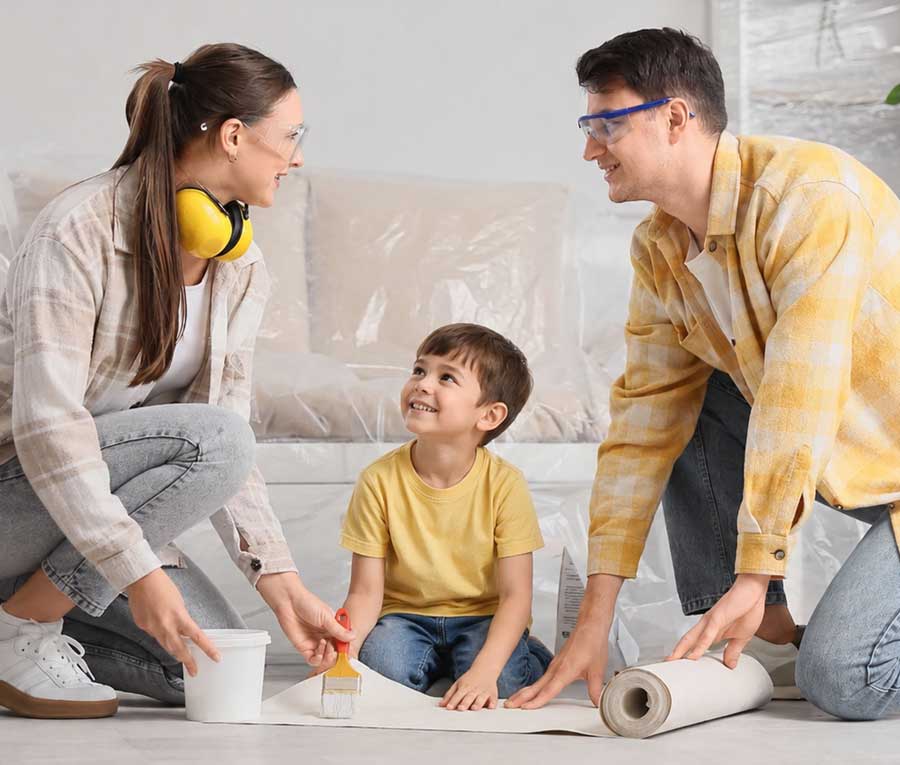
What Wallpaper Should You Choose?
Wallpaper remains one of the most effective ways to transform a room during a home renovation. Whether you want a striking feature wall wallpaper in a living room or a subtle finish for a bedroom, selecting the right product is the foundation of a successful result.
Consider the purpose of the room first. Bedrooms generally benefit from calm colours and softer patterns, while kitchens require durable and washable surfaces that can withstand moisture and everyday use. For children’s rooms, look for environmentally friendly materials that are easy to clean.
The condition of the wall is equally important. Smooth walls can accommodate almost any wallpaper type. If the surface contains minor imperfections, textured products help conceal flaws. Heavier wallpapers are often the best solution when walls have visible defects.
Non Woven Wallpaper
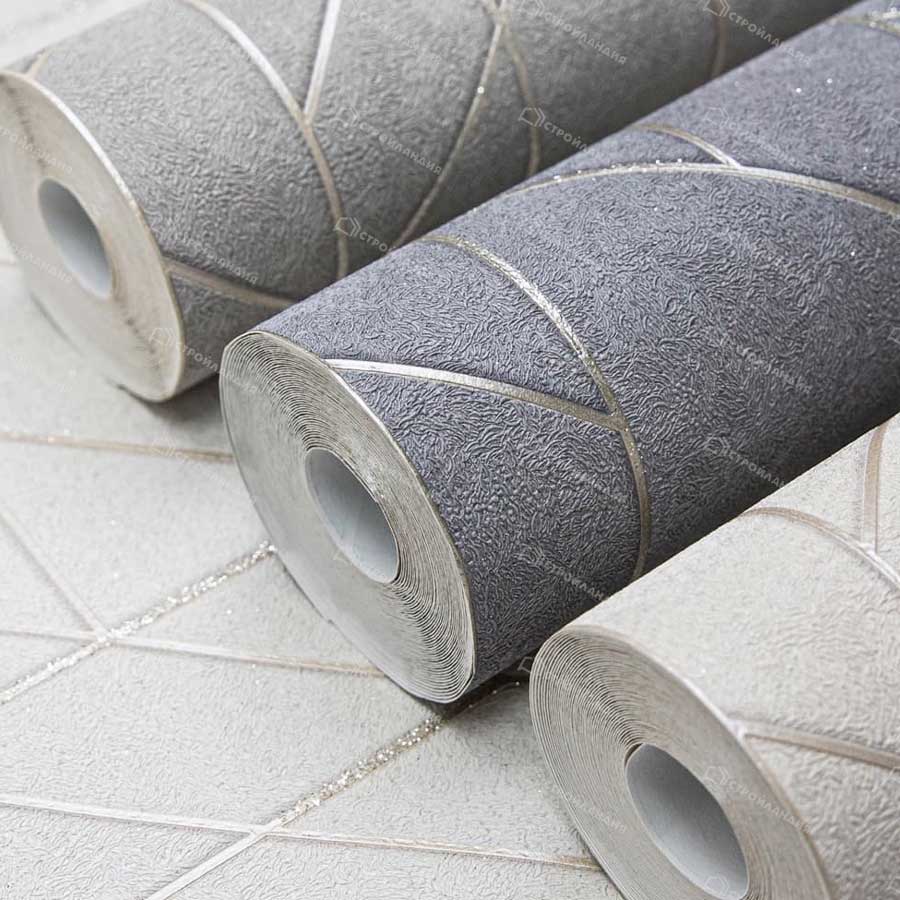
Non woven wallpaper is one of the easiest products to apply yourself. It is strong, flexible and resistant to tearing. It works well on plaster, plasterboard and timber surfaces. Because the material maintains its shape, installation is straightforward and seams can be aligned neatly.
Vinyl Wallpaper
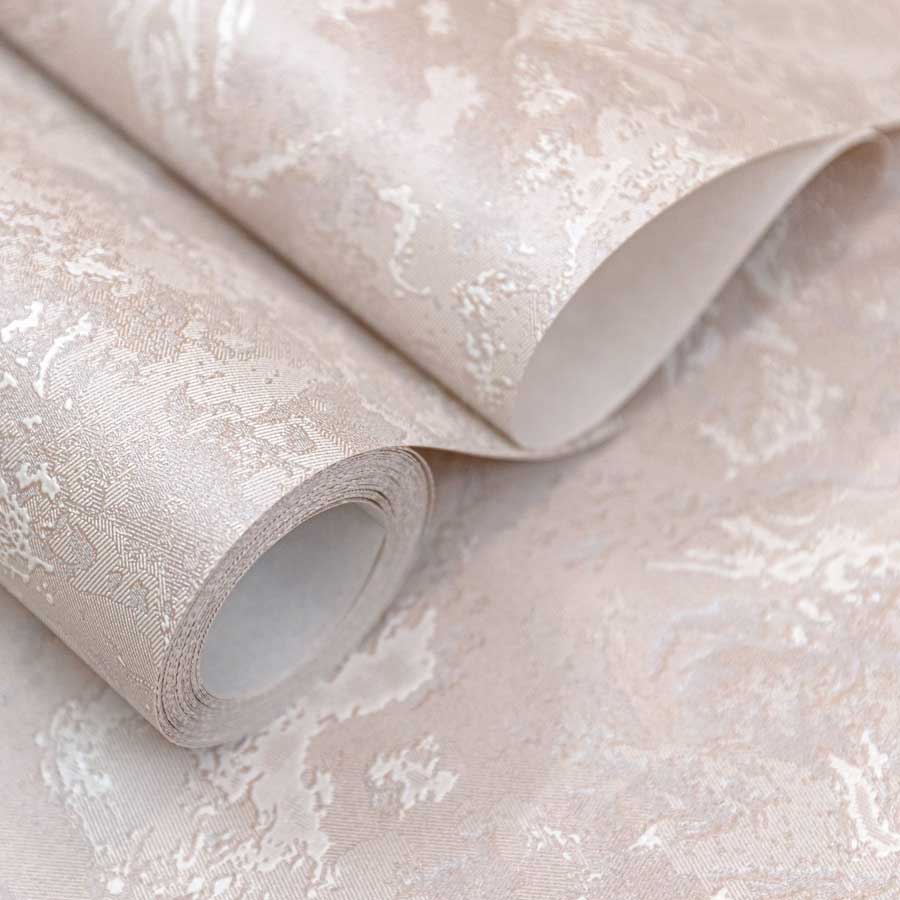
Vinyl wallpaper is highly durable and washable, making it ideal for kitchens, hallways and busy family homes. The material is heavier than many alternatives and requires a stronger adhesive. When installed correctly, it provides excellent long term performance.
Paper Wallpaper
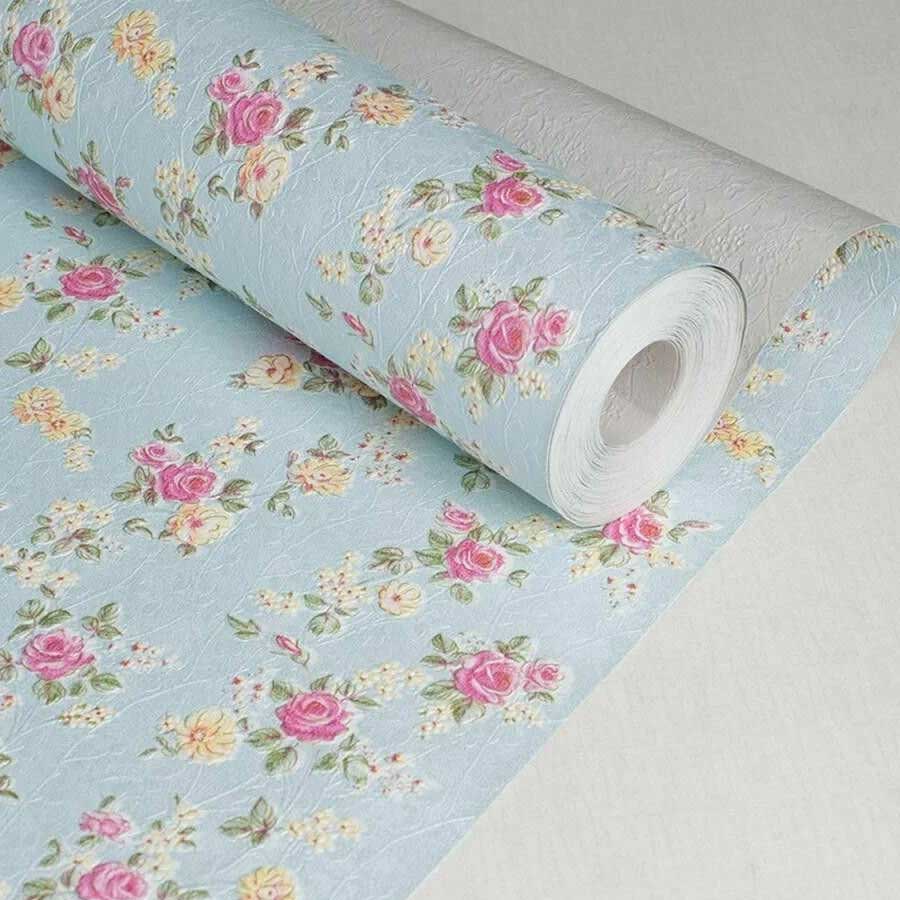
Paper wallpaper remains a popular budget friendly option. It allows walls to breathe and is suitable for bedrooms and living areas. However, it requires more care during installation because the material can tear easily when saturated with glue.
Photo Wallpaper
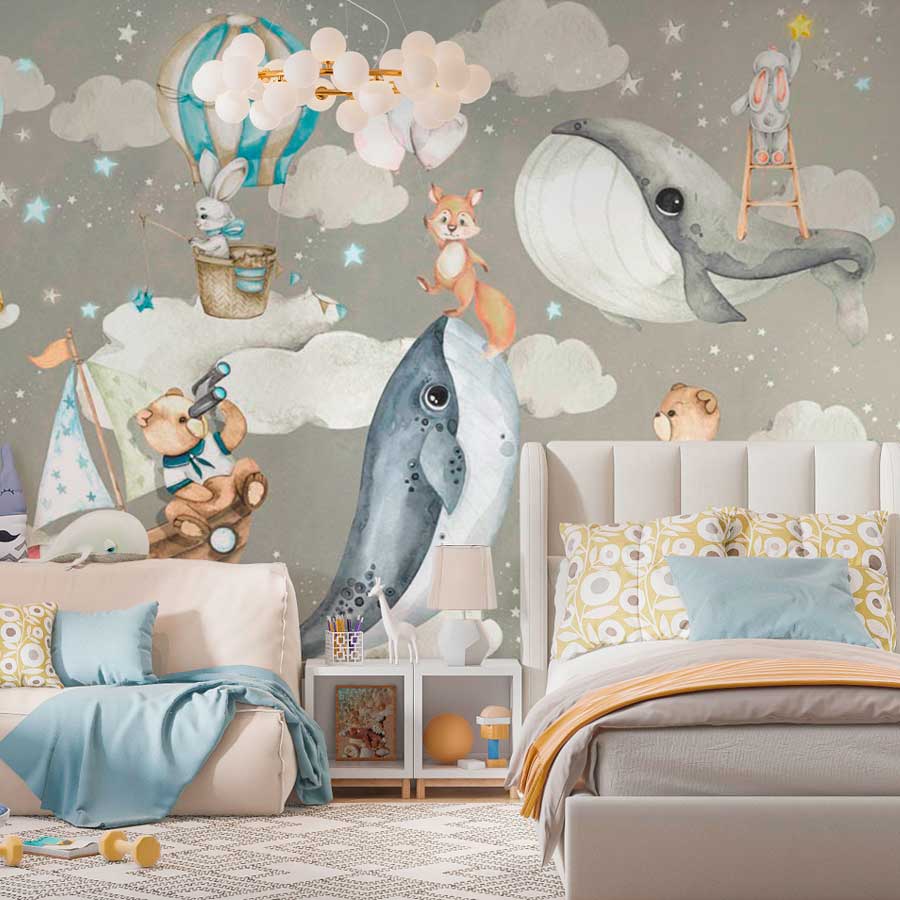
Photo wallpaper is a great feature wall idea. Large scale imagery can make smaller spaces feel larger and create a focal point that increases visual appeal and may help increase value when presenting a property for sale.
How to Choose the Right Wallpaper Glue
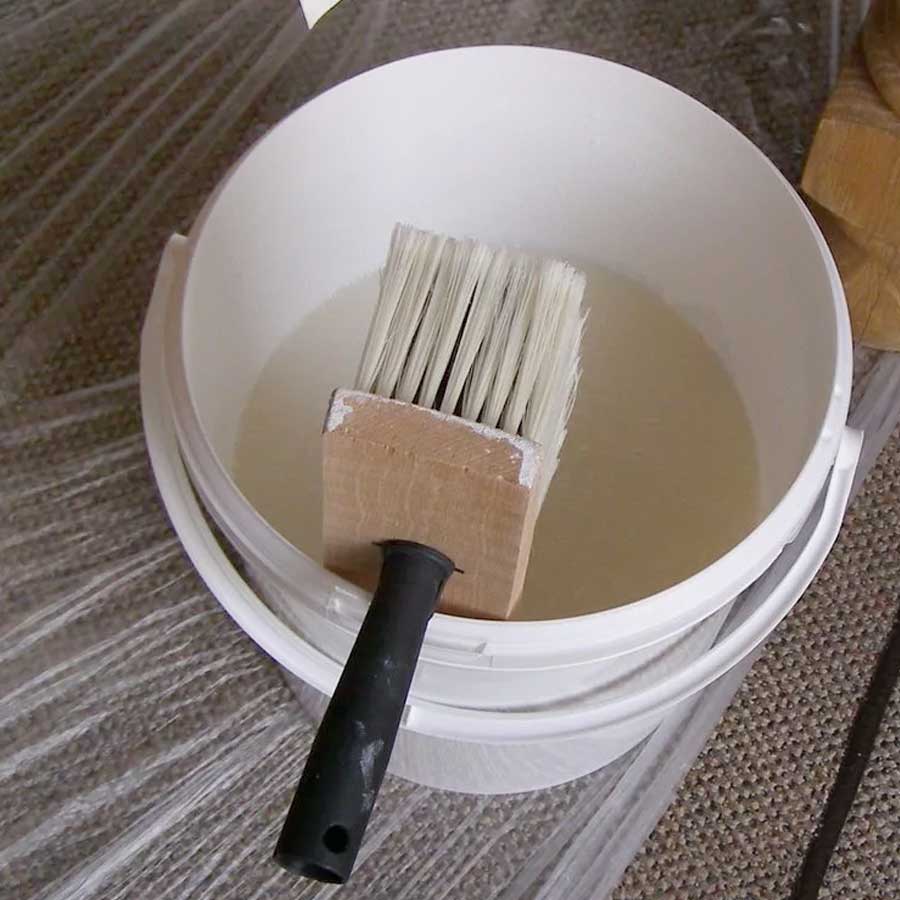
The type of glue should always match the wallpaper material.
- Lightweight paper wallpaper works well with starch or methylcellulose based adhesives.
- Non woven wallpaper requires a thicker adhesive applied directly to the wall.
- Vinyl wallpaper generally needs a heavy duty adhesive designed for heavier coverings.
For Melbourne homes that experience varying humidity levels throughout the year, quality adhesives with strong bonding performance deliver the best results. In wet areas, mould resistant formulations can provide additional protection.
Tools You Will Need
Before you begin, gather all required equipment.
- Utility knife
- Scissors
- Tape measure
- Metal ruler
- Spirit level or laser level
- Paint roller and brushes
- Wallpaper smoothing tool
- Rubber seam roller
- Bucket for mixing glue
- Clean cloths
- Step ladder
Having the correct tools makes it much easier to hang wallpaper accurately and achieve a professional finish.
Preparing the Walls Properly
Preparation is the stage that determines whether wallpaper remains secure for years or begins peeling after a few months. Remove any existing wallpaper, loose paint or contaminants from the wall surface. Fill cracks, repair damaged areas and sand uneven sections until smooth.
Once repairs are complete, apply a quality primer across the entire wall. Primer helps seal the surface, improves adhesive performance and reduces glue consumption. Skipping this step often leads to adhesion problems later.
A well prepared wall creates the perfect foundation for any DIY wallpaper project.
How to Apply Wallpaper Correctly
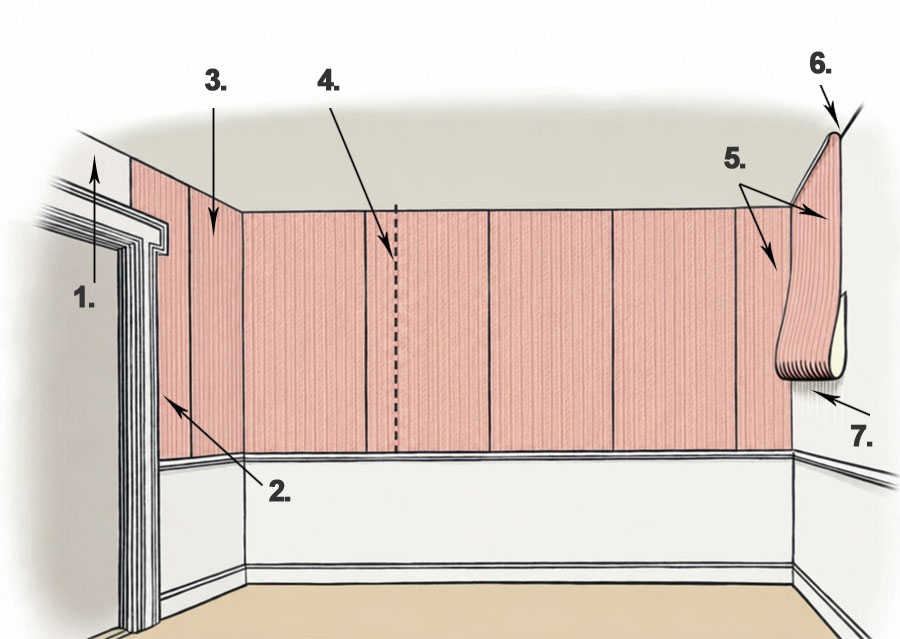
- Start from an opening, such as a window or.
- Door.
- On a wall without an opening, use a plumb line to create a vertical guide.
- Leave 5 cm of wallpaper at the top and bottom, then trim it after smoothing.
- Use a separated wallpaper strip in the corners.
- Align the wallpaper from the top.
- Measure the distance between the wallpaper and the door frame to keep the strip parallel.
Successful wallpaper installation starts with accurate measurements and careful planning. Measure the wall height and cut each length slightly longer than required to allow trimming at the ceiling and floor.
Use a level to mark a perfectly vertical guideline before hanging the first strip. This ensures every following section remains straight.
For paper wallpaper, apply glue to the back of the material. For non woven wallpaper, apply the adhesive directly to the wall.
Position the first strip at the top of the wall and slowly work downward. Smooth the surface using a wallpaper tool, removing air bubbles as you go. Align patterns carefully and press seams firmly with a rubber roller.
Most professionals recommend starting near a window or from the most visible corner of the room. This approach helps create cleaner visual lines throughout the space.
Applying Wallpaper to Different Surfaces
Concrete Walls
Concrete is porous and absorbs adhesive quickly. Use a suitable primer and a high performance adhesive designed for masonry surfaces.
Brick Walls
Exposed brick must be plastered, filled and sanded before wallpaper installation. A smooth finish is essential for achieving a quality result.
Plasterboard
Fill joints with compound, sand smooth and apply primer. This provides an ideal surface for wallpaper adhesion.
Timber Surfaces
Timber walls should be dry, stable and treated with a suitable primer before installation. Any gaps between boards should be filled before hanging wallpaper.
Common Wallpaper Installation Mistakes
Air Bubbles
Usually caused by poor smoothing techniques or incorrect adhesive application.
Visible Stains
Often result from excess glue or moisture that has not yet dried completely.
Poor Pattern Alignment
Failing to match repeating patterns can significantly affect the appearance of the finished wall.
Peeling Edges
Typically caused by insufficient glue, dusty surfaces or inadequate wall preparation.
Tears and Damage
Overhandling delicate wallpaper or applying excessive force during installation can damage the material.
How Long Does Wallpaper Take to Dry?
Wallpaper generally becomes touch dry within 24 to 48 hours under normal indoor conditions. Complete curing usually takes between two and four days. Heavy vinyl products may require up to five days.
Keep windows and doors closed during the drying process. Sudden airflow can cause uneven drying and compromise adhesion.
Key Steps for Hanging Wallpaper Successfully
Choose wallpaper that suits the room, wall condition and design goals. Select the correct glue for the material. Prepare the wall thoroughly by cleaning, repairing and priming the surface. Measure carefully, cut accurately and use proper alignment techniques when you hang each strip.
Whether you are creating a feature wall wallpaper installation in a living room, refreshing a bedroom or completing a larger home renovation project, careful preparation and attention to detail will help you apply wallpaper successfully yourself. A professionally finished wall can dramatically improve the appearance of a room and may even help increase value by enhancing the overall presentation of the home.